Once upon a time, Miami nightlife was defined by velvet ropes, booming basslines, and hour-long waits to get into the hottest clubs. But a subtle revolution has been unfolding across the city—and in nightlife destinations around the world. The scene is shifting from mass-party culture to curated exclusivity, from packed dance floors to elevated experiences.
Enter the era of members-only clubs: a new nightlife paradigm where luxury, privacy, and community reign supreme. The rise of private social clubs has created a clear distinction between “going out” and being part of something.
These aren’t just places to party—they’re havens for a like-minded elite, spaces where networking, dining, and entertainment converge under one membership. Think Soho House, ZZ’s Club, The Bath Club, The Ned NoMad, or the Faena Rose circle. These names carry weight not just because of their exclusivity, but because of the lifestyle they represent: refined taste, insider access, and intentional connection.
So, what’s driving the shift?
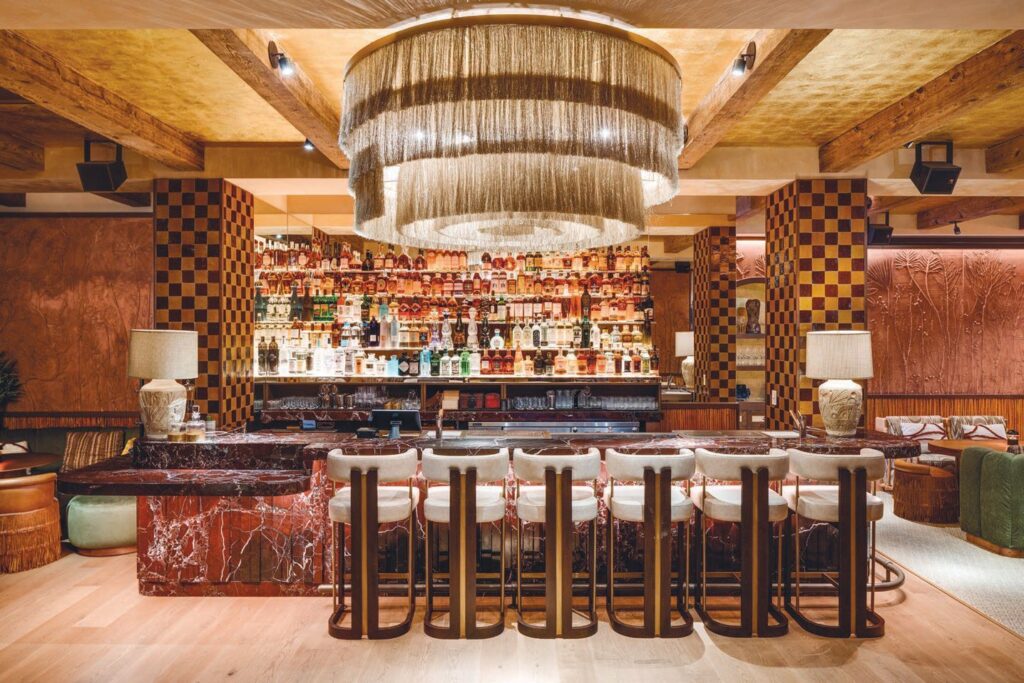
First, it’s a matter of experience quality. In a typical nightclub, you fight for a table, shout over music, and compete with hundreds of other guests for attention. In contrast, members-only clubs offer curated experiences with white-glove service, world-class DJs playing intimate sets, and culinary programs that rival Michelin-starred restaurants.
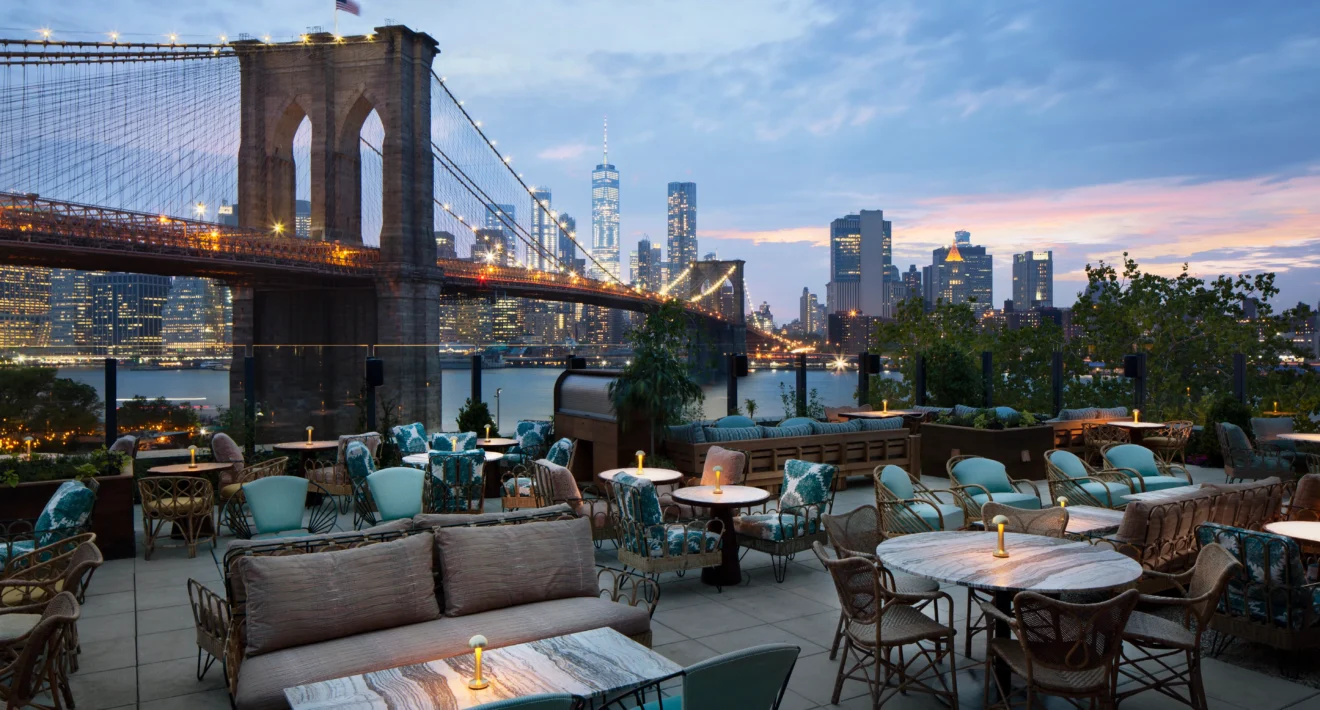
Guests sip craft cocktails at art-filled lounges, attend invite-only performances, and engage in conversations without losing their voice by midnight. Second, security and discretion have never been more important.
For high-profile individuals—celebrities, executives, investors—privacy is a luxury in itself. Private clubs vet their members, control photography, and create a space where guests can unwind without the risk of being livestreamed or snapped by paparazzi. In an age of hyper-exposure, being invisible is the ultimate status symbol.
Third, there’s the networking factor. These clubs bring together influential creatives, entrepreneurs, and tastemakers. It’s not uncommon to forge business deals over brunch, discover new art in the hallway gallery, or meet your next investor during a rooftop DJ set.
The environment is intentionally designed to spark meaningful connections, making nightlife not just a social outlet, but a strategic one. Economically, this model makes sense. Rather than chasing high-volume crowds and relying on unpredictable drink sales, members-only clubs collect steady revenue from annual dues, exclusive events, and VIP amenities. It’s sustainable, stable, and scalable—and increasingly appealing to investors and hospitality brands.
Miami, in particular, has become a hub for this new wave. With its influx of tech entrepreneurs, finance transplants, and global creatives, the demand for private, premium experiences has exploded. The city’s members-only nightlife scene now rivals that of New York and London, offering curated escapism in every corner—from Coconut Grove mansions turned supper clubs to rooftop lounges hidden behind password-only elevators.
At Escape, we stay closely connected to this evolution. Our guests often request access to private events, members-only spaces, and exclusive nightlife experiences. We respond with concierge-level service that opens the right doors.
Because in this new era of nightlife, it’s not just about where you party—it’s about who you party with, how it makes you feel, and what it says about your lifestyle. The future of nightlife isn’t louder. It’s smarter, more intimate, more curated. And it’s already here.